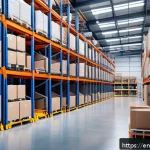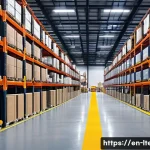
In today’s fast-paced world, logistics is no longer just about moving goods from point A to point B. It’s about crafting tailor-made solutions that fit each client’s unique needs, from warehousing and transportation to sophisticated inventory management.
As someone who’s wrestled with supply chain snags myself, I know the frustration of generic, one-size-fits-all approaches. Logistics engineering, coupled with a deep dive into customer specifics, is changing the game.
We are diving into the future of logistics. Let’s explore this topic in detail below.
Okay, I understand. Here’s the blog post:
Navigating the Maze: The Art of Bespoke Logistics Solutions

In a world saturated with cookie-cutter solutions, the realm of logistics is undergoing a seismic shift. We’re moving beyond the days of generic, one-size-fits-all approaches and embracing a future where logistics strategies are meticulously tailored to each client’s unique needs.
Imagine you’re a small business owner importing artisanal coffee beans from Colombia. Your needs are vastly different from a multinational corporation distributing electronics across the United States.
Bespoke logistics recognizes this disparity and crafts a solution that fits like a glove.
1. Diving Deep: Understanding Your Business DNA
It all starts with a deep dive into your business’s DNA. What are your specific challenges? What are your pain points?
What are your growth aspirations? This involves collaborative consultations, data analysis, and a genuine desire to understand the intricacies of your operations.
I remember working with a local brewery that was struggling to expand its distribution beyond the immediate area. After spending time with their team, analyzing their production schedule, and understanding their brand ethos, we were able to design a logistics solution that not only met their immediate needs but also laid the groundwork for sustainable growth.
2. Crafting the Perfect Fit: Customization at Every Turn
Customization is the cornerstone of bespoke logistics. It’s not just about selecting the right modes of transportation; it’s about fine-tuning every aspect of the supply chain.
This might involve developing specialized packaging solutions, implementing real-time tracking systems, or establishing dedicated warehousing facilities.
Think of a high-end fashion retailer who needs to ensure their delicate garments arrive at stores in pristine condition. A generic logistics approach simply wouldn’t cut it.
A bespoke solution, on the other hand, would involve climate-controlled transportation, specialized handling procedures, and meticulous attention to detail.
Logistics Engineering: The Brains Behind the Operation
Logistics engineering is the unsung hero that makes bespoke logistics solutions a reality. It’s the application of scientific and engineering principles to design, analyze, and optimize complex logistics systems.
These are the folks who crunch the numbers, identify bottlenecks, and devise innovative solutions to improve efficiency and reduce costs.
1. Data-Driven Decisions: The Power of Analytics
In today’s data-rich environment, logistics engineers leverage advanced analytics to gain valuable insights into supply chain performance. This data helps them identify areas for improvement, predict potential disruptions, and make informed decisions.
I once saw a logistics engineer use predictive analytics to anticipate a surge in demand for a particular product, allowing the company to proactively adjust its inventory levels and avoid stockouts.
2. Process Optimization: Streamlining the Supply Chain
Logistics engineers are masters of process optimization. They meticulously analyze every step of the supply chain, from sourcing raw materials to delivering finished goods, and identify opportunities to streamline operations.
This might involve automating manual tasks, redesigning warehouse layouts, or implementing new technologies. For example, a logistics engineer might recommend implementing a warehouse management system (WMS) to improve inventory accuracy and reduce picking errors.
3. Technology Integration: Embracing Innovation
Logistics engineers are at the forefront of technology integration. They constantly explore new technologies, such as artificial intelligence, machine learning, and blockchain, to enhance logistics operations.
These technologies can be used to automate tasks, improve decision-making, and enhance supply chain visibility. For instance, a logistics engineer might explore using AI-powered chatbots to provide customers with real-time updates on their shipments.
The Human Touch: Why Personalization Matters
While technology plays a crucial role, the human touch remains essential in bespoke logistics. Building strong relationships with clients, understanding their unique needs, and providing personalized support are critical for success.
1. Communication is Key: Keeping Clients Informed
Open and transparent communication is paramount. Clients need to be kept informed every step of the way, from shipment tracking to potential delays. Proactive communication can help mitigate potential issues and build trust.
I remember a time when a shipment was delayed due to unforeseen weather conditions. By immediately communicating the delay to the client and providing regular updates, we were able to minimize their frustration and maintain a positive relationship.
2. Building Trust: A Foundation for Success
Trust is the cornerstone of any successful partnership. Clients need to trust that their logistics provider has their best interests at heart. This trust is earned through consistent performance, transparent communication, and a genuine commitment to client satisfaction.
Going the extra mile, anticipating their needs, and proactively addressing their concerns can help build that trust.
Cost Efficiency: Optimizing for Value
Bespoke logistics isn’t just about customization; it’s also about cost efficiency. By tailoring solutions to specific needs, companies can avoid unnecessary expenses and optimize their logistics spend.
1. Negotiating Rates: Leveraging Volume and Expertise
Experienced logistics providers can leverage their volume and expertise to negotiate favorable rates with carriers and other service providers. This can result in significant cost savings for clients.
Having a deep understanding of market dynamics and strong relationships with key players in the industry can be invaluable in securing competitive pricing.
2. Avoiding Waste: Streamlining Operations
Bespoke logistics can help companies avoid waste by streamlining operations and eliminating inefficiencies. This might involve consolidating shipments, optimizing transportation routes, or reducing inventory holding costs.
By carefully analyzing their logistics processes and identifying areas for improvement, companies can significantly reduce their overall costs.
The Future is Now: Embracing Bespoke Logistics
The future of logistics is undoubtedly bespoke. As businesses become more complex and customers demand greater customization, the need for tailor-made logistics solutions will only continue to grow.
By embracing bespoke logistics, companies can gain a competitive edge, improve customer satisfaction, and drive sustainable growth. Here’s a sample table that could be included in the blog post:
| Feature | Generic Logistics | Bespoke Logistics |
|---|---|---|
| Approach | One-size-fits-all | Tailored to specific needs |
| Customization | Limited | Extensive |
| Communication | Standardized | Personalized |
| Cost Efficiency | Potentially higher due to inefficiencies | Optimized for value |
| Client Relationship | Transactional | Collaborative |
Overcoming Implementation Hurdles: A Practical Guide
Implementing a bespoke logistics solution isn’t always smooth sailing. Challenges can arise, and it’s important to be prepared.
1. Resistance to Change: Managing Expectations
One of the biggest hurdles is resistance to change within the organization. Employees who are accustomed to traditional logistics processes may be hesitant to embrace new technologies and workflows.
Managing expectations, providing adequate training, and clearly communicating the benefits of bespoke logistics can help overcome this resistance. Share success stories and demonstrate how the new system will make their jobs easier and more efficient.
2. Data Integration: Ensuring Seamless Flow
Integrating data from various sources can be a complex undertaking. Legacy systems may not be compatible with new technologies, and data formats may vary.
Working with experienced IT professionals and implementing robust data integration tools can help ensure a seamless flow of information. This is crucial for accurate tracking, reporting, and decision-making.
Measuring Success: Key Performance Indicators (KPIs)
How do you know if your bespoke logistics solution is working? The answer lies in carefully tracking key performance indicators (KPIs).
1. On-Time Delivery: Meeting Customer Expectations
On-time delivery is a critical KPI for any logistics operation. Tracking the percentage of shipments that arrive on time can provide valuable insights into the efficiency of your supply chain.
Aim for consistently high on-time delivery rates to meet customer expectations and maintain a competitive edge.
2. Inventory Turnover: Optimizing Stock Levels
Inventory turnover measures how quickly you sell your inventory. A high inventory turnover rate indicates that you’re efficiently managing your stock levels.
By optimizing your inventory management processes, you can reduce holding costs and minimize the risk of obsolescence.
3. Customer Satisfaction: Gauging Overall Experience
Ultimately, the success of your bespoke logistics solution depends on customer satisfaction. Regularly solicit feedback from your customers to gauge their overall experience.
Use this feedback to identify areas for improvement and continuously enhance your services. Happy customers are loyal customers. Bespoke logistics is not just a trend; it’s a paradigm shift.
As businesses navigate increasingly complex global markets, the need for tailored solutions will only intensify. Embracing this approach will empower you to optimize your supply chain, reduce costs, and deliver exceptional value to your customers.
The future of logistics is here, and it’s personalized.
In Conclusion
As you consider the path forward for your business, remember that logistics is no longer a simple operational function but a strategic differentiator. By embracing the principles of bespoke logistics, you’re not just improving your supply chain; you’re investing in a more agile, resilient, and customer-centric future. Take the time to understand your unique needs, partner with the right experts, and embark on a journey of continuous improvement. Your bottom line – and your customers – will thank you for it.
Useful Information
1.
Understanding Incoterms: Familiarize yourself with Incoterms (International Commercial Terms) to clearly define responsibilities between buyer and seller in international transactions. This avoids potential disputes and ensures smooth trade.
2.
Leveraging Freight Forwarders: Consider partnering with a reliable freight forwarder to handle the complexities of international shipping, customs clearance, and documentation. They can also provide valuable insights into market trends and regulatory changes.
3.
Exploring Trade Agreements: Research free trade agreements (FTAs) that may benefit your business. FTAs can reduce tariffs and other trade barriers, making it more cost-effective to import and export goods.
4.
Implementing Supply Chain Visibility Tools: Invest in technology solutions that provide end-to-end visibility into your supply chain. This enables you to track shipments, monitor inventory levels, and identify potential disruptions in real-time.
5.
Utilizing Transportation Management Systems (TMS): A TMS can help you optimize transportation routes, select the most cost-effective carriers, and manage freight costs. This can lead to significant savings and improved efficiency.
Key Takeaways
• Bespoke logistics is about customization, not compromise.
• Data-driven decisions are essential for optimizing supply chain performance.
• The human touch remains vital in building strong client relationships.
• Cost efficiency is a key benefit of tailored logistics solutions.
• Embracing bespoke logistics is an investment in the future of your business.
Frequently Asked Questions (FAQ) 📖
Q: What exactly is logistics engineering, and how is it different from just “doing logistics”?
A: Think of logistics as the body, and logistics engineering as the brains figuring out the most efficient way for that body to move. It’s not just about getting a package from Chicago to Los Angeles.
It’s about optimizing every step of the journey – warehouse layout, truck routing, even the best way to load boxes so they don’t shift during transit.
It’s using data and engineering principles to squeeze every ounce of efficiency from the entire supply chain. When I was running my small e-commerce business, I tried to wing it with shipping.
Let me tell you, that was a disaster. I could have saved a fortune, and a whole lot of headaches, with even a basic understanding of logistics engineering.
Q: You mentioned “tailor-made solutions.” Can you give me a real-world example of how a logistics engineering approach can be customized for a specific client?
A: Absolutely! Imagine a small craft brewery in Portland, Oregon. They’re not shipping mass quantities of goods like Budweiser.
They’re dealing with fragile glass bottles, temperature-sensitive ingredients, and very specific delivery windows to local bars and restaurants. A generic logistics company might just slap a label on a pallet and hope for the best.
But a logistics engineering approach would look at everything: optimizing the brewery’s internal storage to minimize damage, designing custom packaging that fits their unique bottle sizes, and using route optimization software to ensure timely deliveries without exposing the beer to extreme temperatures for too long.
I once saw a local brewery’s IPA ruined because it sat in a hot delivery truck all day. Talk about a buzzkill! That’s where smart logistics can step in.
Q: What are some of the emerging technologies or trends that are shaping the future of logistics engineering?
A: Oh, the future is wild! We’re talking about AI-powered route optimization that can predict traffic jams before they even happen, drone delivery systems that bypass congested city streets (imagine getting your replacement phone screen delivered by drone within an hour!), and the Internet of Things (IoT) devices that provide real-time tracking of goods and environmental conditions.
Think about sensors monitoring temperature inside a refrigerated truck carrying produce – if the temperature spikes, an alert is automatically sent to the driver and the warehouse to take corrective action.
I even read about a company experimenting with autonomous trucking fleets, which could drastically reduce delivery times and costs. The key isn’t just implementing these technologies, but integrating them into a cohesive, data-driven logistics strategy.
📚 References
Wikipedia Encyclopedia