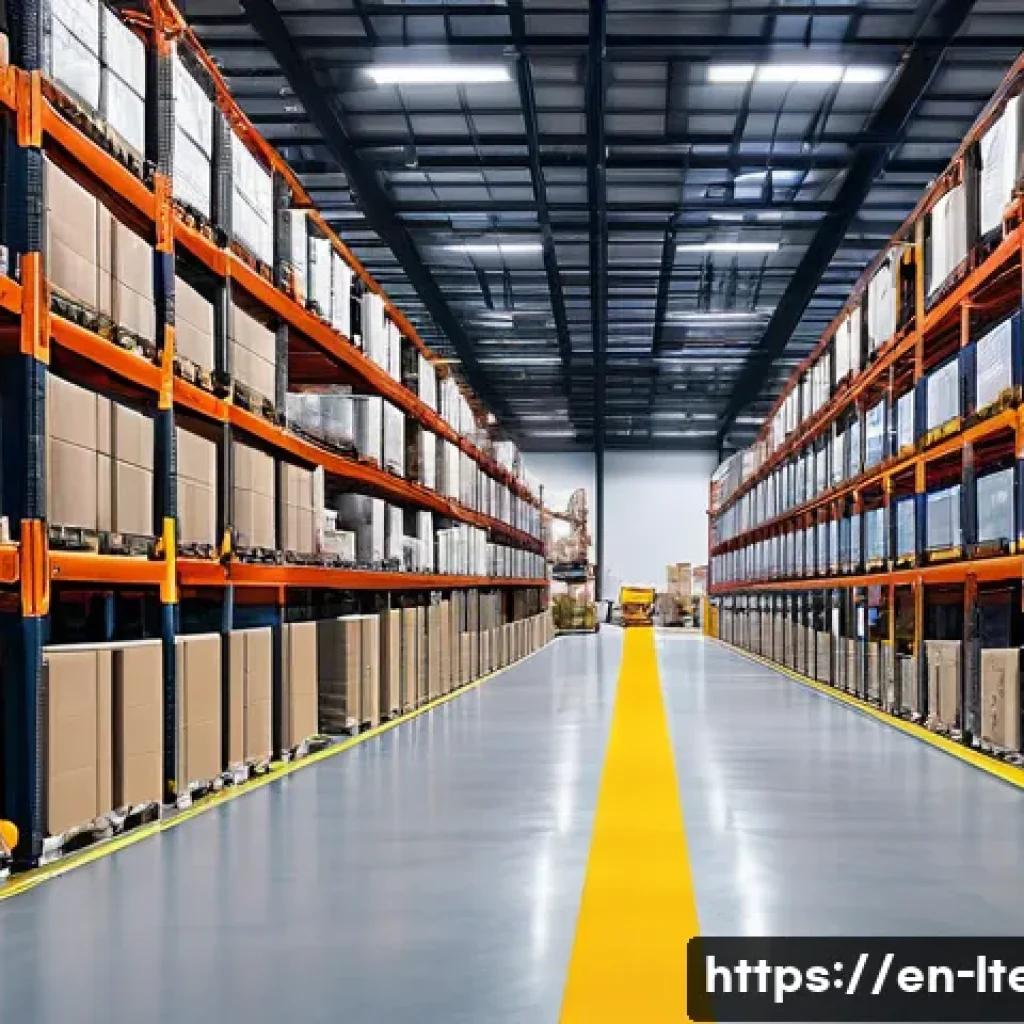
In today’s fast-paced supply chain environment, mastering logistics engineering is more crucial than ever for businesses aiming to stay competitive. Effective inventory management systems not only reduce costs but also enhance customer satisfaction by ensuring timely deliveries.

From automated tracking to data-driven forecasting, advancements in technology are transforming how companies handle their stock. Professionals who understand these innovations can significantly boost operational efficiency and decision-making.
Let’s dive deeper to uncover how these improvements can reshape your logistics strategy for the better!
Optimizing Warehouse Layout for Enhanced Efficiency
Strategic Space Utilization to Maximize Storage
When it comes to warehouse management, the layout often dictates how smoothly operations flow. I’ve seen firsthand how rethinking the arrangement of storage racks, aisles, and picking zones can dramatically reduce the time workers spend navigating the space.
Instead of cramming every inch with inventory, it’s about smartly allocating areas based on item turnover rates and shipment schedules. For example, placing fast-moving goods closer to dispatch zones cuts down travel time and accelerates order fulfillment.
This kind of strategic design doesn’t just improve speed; it minimizes errors caused by worker fatigue or confusion, ultimately elevating overall productivity.
Incorporating Automation Without Sacrificing Flexibility
Automation is a buzzword in logistics, but integrating robots or conveyor systems needs careful planning. I’ve noticed that warehouses that balance automated solutions with human adaptability outperform those relying solely on machines.
For instance, automated guided vehicles (AGVs) can handle repetitive transport tasks, freeing staff to focus on complex activities like quality control.
However, it’s essential to maintain some manual handling options to adjust quickly during peak seasons or unexpected disruptions. This hybrid approach ensures the warehouse remains agile, which is crucial in today’s unpredictable supply chain environment.
Enhancing Safety While Boosting Productivity
A layout that prioritizes safety doesn’t just protect workers—it also keeps operations running without costly interruptions. I recall visiting a facility where introducing wider aisles and clearer signage significantly reduced accidents.
This simple change meant fewer delays caused by injury investigations or equipment damage. Safety-conscious design also involves ergonomic considerations, such as adjustable workstations and proper lighting, which help reduce fatigue and increase focus.
A well-thought-out warehouse layout is an investment that pays off in both human and operational terms.
Leveraging Real-Time Data for Smarter Inventory Decisions
Dynamic Stock Monitoring Using IoT Sensors
The rise of Internet of Things (IoT) devices has transformed inventory tracking from a manual chore into an automated, real-time process. From my experience, equipping storage bins with weight sensors or RFID tags allows managers to monitor stock levels continuously without human intervention.
This means alerts can be triggered instantly when inventory dips below a threshold, preventing stockouts before they impact customer orders. Plus, this granular visibility helps identify slow-moving items, enabling smarter clearance strategies to optimize cash flow.
Predictive Analytics to Forecast Demand Accurately
One of the game-changers in inventory management is the ability to forecast demand based on historical sales, seasonal trends, and external factors like market shifts.
I’ve worked with systems that use machine learning algorithms to analyze vast datasets and suggest optimal reorder points. What’s impressive is how these predictions can be fine-tuned over time as the model learns from new data, reducing both overstock and understock situations.
This proactive approach means fewer rush orders and markdowns, directly impacting the bottom line positively.
Integrating Cloud-Based Platforms for Seamless Collaboration
Cloud technology has made it easier than ever for teams across different locations to access and update inventory data in real time. In one project, moving to a cloud-based inventory system allowed sales, procurement, and warehouse teams to stay perfectly aligned.
This eliminated the frustrating delays and discrepancies that often happen when departments operate in silos. The system’s accessibility on mobile devices also empowered floor managers to make quick adjustments while on the go, greatly enhancing responsiveness during busy periods.
Advanced Forecasting Techniques That Reduce Waste
Combining Quantitative and Qualitative Inputs
Forecasting isn’t just about crunching numbers; incorporating expert insights can elevate accuracy dramatically. In practice, blending historical sales data with input from sales reps, market analysts, and even customer feedback creates a more nuanced forecast.
For example, a sudden surge in demand for a new product might not show up in past data but can be anticipated through frontline observations. This dual approach minimizes surprises and helps maintain optimal inventory levels without excess stock piling up.
Scenario Planning for Supply Chain Disruptions
Recent global events have taught us the importance of preparing for uncertainties. Scenario planning involves creating multiple “what-if” models to predict how various disruptions—like supplier delays or transportation strikes—could impact inventory needs.
I’ve seen companies use these models to develop contingency plans, such as alternate sourcing or buffer stock policies. While it requires extra effort upfront, it pays off by allowing businesses to pivot quickly without losing customer trust.
Automated Replenishment Systems for Just-in-Time Inventory
Automating the replenishment process based on forecast data can prevent both stock shortages and excess inventory. Systems I’ve implemented use triggers that automatically place purchase orders when stock reaches predefined levels, aligned with forecasted demand.
This just-in-time approach reduces carrying costs and frees up warehouse space for more profitable uses. It also improves cash flow management by avoiding tying up capital in unnecessary stock.
Harnessing Technology to Streamline Order Fulfillment
Real-Time Order Tracking for Transparency
Customers today expect to know exactly where their orders are at any given moment. I’ve found that integrating real-time tracking systems into fulfillment processes not only boosts customer satisfaction but also reduces inbound inquiries.
By providing accurate ETAs and shipment updates through automated notifications, businesses can build trust and reduce pressure on customer service teams.
This transparency often translates into repeat business and positive reviews.
Optimizing Picking Methods to Speed Up Processing
The method used to pick items for orders can make or break fulfillment speed. From personal experience, switching from traditional batch picking to zone or wave picking can cut down walking time and minimize errors.
Technologies like pick-to-light or voice-directed picking further assist workers by providing clear instructions, which reduces training time and boosts accuracy.

These improvements ensure that orders are packed correctly and shipped promptly, enhancing overall efficiency.
Integrating Last-Mile Delivery Solutions
The final leg of delivery often poses the greatest challenge, especially in urban areas with traffic congestion or remote locations. Partnering with local courier services or using crowd-sourced delivery platforms has proven effective in my projects to overcome these hurdles.
Additionally, employing route optimization software helps drivers avoid delays and reduce fuel consumption. These strategies not only lower costs but also improve delivery speed and reliability, which are critical factors for customer satisfaction.
Building a Resilient Supply Chain Through Collaboration
Creating Strong Supplier Relationships
Trust and communication with suppliers are the backbone of a resilient supply chain. I’ve seen how regular check-ins, transparent sharing of forecasts, and joint problem-solving sessions foster partnerships that can weather disruptions.
When suppliers are treated as collaborators rather than just vendors, they are more willing to prioritize your orders or offer flexible terms in times of need.
This relational approach reduces risks and creates a smoother flow of goods.
Cross-Functional Team Alignment
Supply chain success depends on seamless cooperation among departments like procurement, logistics, sales, and finance. In companies I’ve worked with, establishing cross-functional teams and clear communication channels has eliminated bottlenecks and misaligned priorities.
Regular collaborative meetings and shared KPIs ensure everyone is working toward the same goals, speeding up decision-making and improving overall responsiveness.
Utilizing Shared Technology Platforms
Shared digital platforms that connect all supply chain stakeholders provide visibility and coordination that manual processes can’t match. Cloud-based ERP systems or supply chain management software allow real-time data exchange, helping teams anticipate issues and coordinate solutions quickly.
In practice, this transparency reduces errors, speeds up order processing, and enhances forecasting accuracy, making the supply chain more adaptable and efficient.
Measuring Performance to Drive Continuous Improvement
Key Metrics to Track Inventory Health
Understanding which metrics matter is crucial for effective inventory management. From experience, focusing on turnover ratio, carrying cost, stockout rate, and order accuracy provides a comprehensive picture of performance.
Monitoring these regularly helps identify problem areas before they escalate. For example, a sudden dip in turnover ratio might signal overstocking or declining demand, prompting timely corrective actions.
Using Data to Identify Process Bottlenecks
Performance data can reveal hidden inefficiencies in warehouse or transportation processes. I’ve seen analytics highlight delays in picking, packing, or shipping that were otherwise invisible.
By drilling down into these metrics, managers can pinpoint causes—whether it’s outdated equipment, insufficient staffing, or workflow design flaws—and implement targeted improvements.
This data-driven approach ensures resources are allocated effectively for maximum impact.
Continuous Feedback Loops for Staff and System Upgrades
Performance measurement isn’t just about numbers; it should include feedback from frontline employees who interact with systems daily. Encouraging staff to share insights on challenges and potential improvements creates a culture of continuous learning.
Coupling this with regular system audits and technology upgrades keeps operations current and competitive. In my experience, this ongoing cycle of evaluation and adaptation is key to sustaining long-term supply chain excellence.
| Aspect | Traditional Approach | Modern Enhancement |
|---|---|---|
| Warehouse Layout | Static racks and narrow aisles | Dynamic zones with automation and wider pathways |
| Inventory Tracking | Manual counts and paper logs | IoT sensors and real-time cloud monitoring |
| Forecasting | Historical sales averages | AI-driven predictive analytics combined with expert input |
| Order Fulfillment | Batch picking and manual updates | Zone picking with pick-to-light and real-time tracking |
| Supply Chain Collaboration | Isolated departmental workflows | Integrated platforms and cross-functional teams |
Conclusion
Optimizing warehouse layout and inventory management is essential for boosting efficiency and staying competitive. By embracing technology, strategic planning, and collaboration, businesses can streamline operations and reduce costs. The insights shared here reflect practical approaches that have proven effective in real-world scenarios. Implementing these strategies will help create a more resilient and responsive supply chain.
Useful Information to Keep in Mind
1. Prioritize flexible warehouse layouts that adapt to changing inventory demands and incorporate automation wisely.
2. Use real-time data from IoT sensors to maintain accurate stock levels and avoid costly stockouts.
3. Combine quantitative forecasting with expert insights to better anticipate market shifts and customer needs.
4. Enhance order fulfillment speed by adopting optimized picking methods and transparent tracking systems.
5. Foster strong supplier relationships and cross-department collaboration supported by integrated digital platforms.
Key Takeaways
Efficient warehouse management hinges on smart space utilization, safety considerations, and the right balance between automation and human flexibility. Leveraging real-time data and advanced forecasting tools enables proactive inventory control that minimizes waste. Seamless communication across teams and suppliers strengthens supply chain resilience. Continuous monitoring of performance metrics combined with staff feedback drives ongoing improvements, ensuring long-term operational success and customer satisfaction.
Frequently Asked Questions (FAQ) 📖
Q: How can automated tracking systems improve inventory management in logistics?
A: Automated tracking systems provide real-time visibility into stock levels and movement, which helps reduce errors and delays. From my experience working with warehouses that adopted RFID and barcode scanning, these technologies drastically cut down manual data entry, allowing staff to focus on more strategic tasks.
This leads to faster order fulfillment and fewer stockouts, ultimately boosting customer satisfaction and lowering operational costs.
Q: What role does data-driven forecasting play in enhancing supply chain efficiency?
A: Data-driven forecasting uses historical sales data, market trends, and even external factors like weather to predict future demand more accurately. I’ve seen businesses shift from reactive to proactive inventory management by leveraging these insights, which means they avoid overstocking or understocking issues.
This not only optimizes storage space but also improves cash flow and ensures products are available when customers need them most.
Q: Why is understanding logistics engineering essential for businesses in today’s market?
A: Logistics engineering involves designing and optimizing the entire supply chain process, from procurement to delivery. Businesses that grasp these principles can streamline operations, reduce waste, and adapt quickly to changing market demands.
Personally, I’ve noticed that companies investing in logistics engineering skills tend to outperform competitors because they can make smarter decisions faster, improving both efficiency and customer experience.