
Hey everyone! As your go-to blog influencer for all things logistics and career growth, I’ve got something incredibly vital to share today. We’re living in an era where the logistics landscape is transforming at warp speed, driven by groundbreaking tech and an urgent call for environmental responsibility.
Honestly, it feels like every other day there’s a new innovation shaking things up, and if you’re not keeping pace, you risk being left behind. From bustling warehouses leveraging AI and robotics to the global push for carbon-neutral supply chains, the industry is buzzing with opportunities for those who are ready to adapt and lead.
I’ve personally seen how understanding these shifts, especially in areas like sustainable logistics, isn’t just good for the planet; it’s a game-changer for your career trajectory and earning potential.
Seriously, getting ahead in this field now means equipping yourself with the right knowledge and credentials, showing you’re not just passionate, but truly an expert.
Let’s be real, the world isn’t just asking for efficiency anymore; it’s demanding sustainability, and that demand is reshaping every facet of the supply chain, from how we source materials to how we deliver the final product right to your doorstep.
Companies are pouring investments into green initiatives, from electric fleets to eco-friendly packaging, and they need skilled professionals to make it happen.
This is where a solid foundation, backed by recognized expertise, becomes your golden ticket. Think about it: optimizing routes with AI to cut emissions, implementing circular logistics models, or even diving into the nitty-gritty of eco-packaging – these aren’t just buzzwords; they’re essential skills that elevate your professional standing.
I’ve learned that certifications aren’t just fancy pieces of paper; they truly validate your commitment and comprehensive understanding, making you a more competitive candidate for those coveted leadership roles.
You might be wondering, what exactly does it take to navigate this exciting, yet complex, world of modern logistics? How can you position yourself at the forefront of this green revolution and ensure your skills are future-proof?
Well, folks, it’s all about continuous learning and strategically enhancing your professional toolkit. So, if you’re ready to unlock new career paths, boost your earning potential, and become an indispensable asset in this evolving industry, then getting a handle on professional logistics certifications and embracing sustainable practices is absolutely crucial.
I’m going to walk you through everything you need to know. Below, we’re going to precisely break down why a logistics technology certification matters more than ever, and how sustainable logistics isn’t just a trend, but the very future of the industry.
Let’s dive right in and get the full scoop!
Navigating the Digital Tsunami: Why Tech Skills are Your New Compass

The logistics world is no longer just about moving goods; it’s about moving data, optimizing algorithms, and leveraging cutting-edge technology to make every step of the supply chain smarter and more efficient.
Seriously, it’s a whole new ball game out there. I’ve personally witnessed warehouses transform from bustling human-powered hubs to highly automated centers where robots dance in perfect sync, picking and packing with precision that would make a seasoned pro blush.
This isn’t science fiction anymore; it’s our reality, and if you’re not upskilling in areas like AI, machine learning, blockchain, and IoT, you’re essentially trying to navigate a digital ocean with an analog map.
The sheer volume of data being generated at every touchpoint, from factory floor to customer delivery, is staggering, and learning how to interpret and act on that data is where the real value lies.
I often tell my mentees that understanding these tech trends isn’t just a bonus; it’s the foundational bedrock upon which successful logistics careers are built today.
Imagine your company adopting an advanced inventory management system powered by AI – if you don’t understand its basics, how can you lead its implementation or troubleshoot issues?
It’s a critical paradigm shift that demands our immediate attention and commitment to learning.
The Rise of Smart Warehousing and Automation
When I first stepped into a fully automated fulfillment center, my jaw quite literally dropped. It wasn’t just impressive; it was a revelation. Autonomous mobile robots (AMRs) whisking products around, drones performing inventory checks in minutes, and AI-driven systems predicting demand with uncanny accuracy – this is the new normal.
Learning how these systems integrate, how to manage them, and even how to optimize their performance isn’t just for IT specialists anymore. Logistics professionals like us need to speak this language.
It’s about understanding the synergy between hardware and software, and ensuring these technological advancements translate into tangible business benefits, like reduced operational costs and faster delivery times.
Data Analytics: Your Crystal Ball for Supply Chain Optimization
Honestly, without robust data analytics, you’re practically guessing in the dark. Every shipment, every inventory count, every delivery route generates a treasure trove of data.
The trick is knowing how to mine that data to uncover insights that drive better decision-making. We’re talking about predictive analytics to anticipate demand fluctuations, prescriptive analytics to recommend optimal strategies, and descriptive analytics to understand past performance.
From my experience, those who can wield tools like Python, R, or even advanced Excel to slice and dice supply chain data are the ones companies are actively seeking out.
They’re not just problem-solvers; they’re future-shapers.
Your Golden Ticket: Unlocking Doors with Top Logistics Certifications
Let’s be real: in today’s competitive job market, a degree isn’t always enough to make you stand out. What truly sets you apart, what screams “I’m ready for that leadership role,” are specialized certifications.
I’ve seen countless colleagues, myself included, leverage certifications to pivot into higher-paying positions, take on more complex projects, and ultimately, carve out a more satisfying career path.
These aren’t just pieces of paper; they’re rigorous programs that validate your knowledge and expertise in specific areas, signaling to employers that you’ve gone the extra mile to master essential skills.
They show you’re not just passionate, but genuinely committed to excellence. Whether you’re aiming for supply chain management, logistics technology, or even specific areas like cold chain logistics, there’s a certification out there that can propel your career forward.
Think of it as a quality stamp on your professional profile, an immediate indicator that you’re well-versed in industry best practices and emerging trends.
The Power of Professional Validation
When I decided to pursue my first major logistics certification, I was skeptical if it would truly make a difference. But wow, was I wrong! The moment I updated my LinkedIn profile, I started getting messages from recruiters about opportunities I wouldn’t have even dreamed of before.
It was a clear signal that employers value the specific, validated skill sets these certifications represent. They trust that you’ve been trained to a certain standard, which significantly reduces their hiring risk.
It’s like having a universally recognized badge that says, “I know my stuff.” This validation builds confidence, not just for employers, but for you as a professional, knowing you possess the capabilities to tackle complex challenges.
Key Certifications to Consider in 2025
Navigating the sea of certifications can be overwhelming, but I’ve done the legwork for you. From my perspective, certain certifications consistently pop up as game-changers.
For a broad supply chain perspective, the CSCP (Certified Supply Chain Professional) or CPIM (Certified in Production and Inventory Management) from ASCM (formerly APICS) are gold standards.
If you’re leaning more into the tech side, looking into certifications focused on data analytics, supply chain software (like SAP or Oracle), or even project management (PMP) can be incredibly beneficial.
For those focusing on the global movement of goods, a CILT (Chartered Institute of Logistics and Transport) qualification can open many doors. Always research which ones align best with your career goals and the specific niche you want to dominate.
| Certification Type | Key Focus Areas | Who It’s For |
|---|---|---|
| ASCM CSCP (Certified Supply Chain Professional) | End-to-end supply chain management, global best practices, supply chain design, planning, execution, and improvement. | Mid-to-senior level professionals aiming for leadership roles in global supply chain. |
| ASCM CPIM (Certified in Production and Inventory Management) | Internal operations, production, inventory management, demand management, lean principles. | Professionals involved in production, inventory, operations, and materials management. |
| Project Management Professional (PMP) | Project initiation, planning, execution, monitoring, control, and closing in any industry. | Logistics professionals managing projects, seeking to enhance project leadership skills. |
| Certified in Logistics, Transportation and Distribution (CLTD) | Logistics strategies, transportation, warehousing, global logistics, reverse logistics. | Professionals focusing on the tactical and operational aspects of logistics. |
The Green Revolution: Sustainable Logistics Isn’t Just a Trend, It’s Essential
If you’ve been paying attention to the news, or frankly, just stepping outside, you know that sustainability isn’t some niche concept anymore; it’s a global imperative.
And nowhere is this more critical than in logistics. We’re talking about an industry that traditionally has a significant carbon footprint, from massive cargo ships traversing oceans to last-mile delivery vans zipping through neighborhoods.
But here’s the exciting part: this push for environmental responsibility is creating an entirely new landscape of opportunities for those who understand and embrace sustainable logistics practices.
Companies aren’t just doing this out of the goodness of their hearts; consumers are demanding it, regulations are enforcing it, and ultimately, smart businesses realize that green practices often lead to long-term cost savings and enhanced brand reputation.
I’ve seen firsthand how a well-implemented sustainable initiative can transform a company’s public image and significantly boost employee morale. It’s not just about compliance; it’s about competitive advantage and future-proofing your business.
Why Eco-Friendly Operations are Now Non-Negotiable
Gone are the days when sustainability was merely a “nice-to-have.” Today, it’s a “must-have.” From major retailers committing to carbon-neutral supply chains by 2030 to stricter emissions standards for transportation fleets, the pressure is mounting from all angles.
For logistics professionals, this means understanding things like lifecycle assessments, carbon accounting, and alternative fuel sources. My experience has taught me that the companies that lead in sustainability are the ones that attract top talent and maintain loyal customer bases.
It’s a powerful differentiator in a crowded market, and trust me, ignoring it is no longer an option if you want to stay relevant.
Innovations Driving Green Supply Chains
It’s exhilarating to witness the sheer innovation happening in this space. We’re seeing the rapid adoption of electric vehicles for last-mile delivery, the development of hydrogen-powered trucks for long-haul routes, and even experimental sustainable aviation fuels.
Beyond transportation, there’s a huge focus on optimizing packaging to reduce waste, implementing circular economy models where products and materials are reused or recycled, and leveraging smart routing software to minimize fuel consumption.
These aren’t just minor adjustments; these are systemic changes that require forward-thinking logistics experts to design, implement, and manage. It truly feels like we’re at the forefront of a major industrial revolution, and it’s incredibly exciting to be a part of it.
From Warehouse to Wheels: Practical Steps Towards a Greener Supply Chain
So, you’re convinced that sustainable logistics is the way to go. Great! But where do you actually start?
It can feel a bit overwhelming, like trying to turn an oil tanker with a paddle. However, I’ve found that even small, consistent steps can lead to monumental shifts over time.
It’s all about a systematic approach, identifying areas where you can make an immediate impact, and then scaling those efforts. For instance, simply optimizing your delivery routes using advanced software can significantly cut down on fuel consumption and emissions.
This isn’t just theory; I’ve personally helped companies implement these kinds of changes, and the results – both environmental and financial – were incredibly rewarding.
It shows that being green doesn’t have to mean sacrificing profitability; often, it enhances it.
Optimizing Transportation: The Low-Hanging Fruit
When we talk about greening the supply chain, transportation is often the first place we look, and for good reason. It’s usually the biggest contributor to a company’s carbon footprint.
Start by evaluating your fleet. Are there opportunities to switch to electric vehicles for shorter routes? Can you consolidate shipments to reduce the number of trips?
Implementing route optimization software is a no-brainer here; it can cut miles, fuel, and emissions dramatically. My advice? Don’t just focus on your own vehicles.
Work with your third-party logistics (3PL) providers to ensure they are also committed to sustainable practices and are investing in greener fleets or alternative fuels.
Collaboration is key in making a real difference.
Sustainable Warehousing and Packaging Innovations
Beyond moving goods, how we store and package them also plays a huge role. Think about your warehouse operations. Are you using energy-efficient lighting?
Can you harness renewable energy sources like solar panels on your roof? Many companies are now exploring “dark warehouses” where automation reduces the need for constant lighting and heating.
And then there’s packaging – oh, the packaging! The shift from single-use plastics to recycled, biodegradable, or even reusable packaging is not just a trend; it’s a massive area for innovation.
I’ve seen some incredible advancements in this space, from mushroom-based packaging to systems that allow consumers to return packaging for reuse. It’s about minimizing waste at every possible point, making products’ journeys as light on the planet as possible.
Show Me the Money: How Certifications Directly Boost Your Earning Power
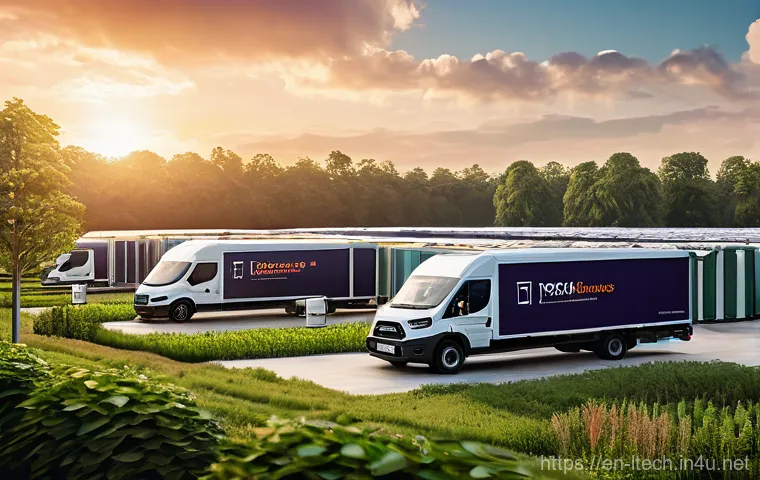
Let’s talk brass tacks. While passion for logistics and a greener planet is fantastic, we all have bills to pay. And frankly, one of the most compelling reasons to invest in professional certifications is the tangible boost they give to your earning potential.
This isn’t just anecdotal; studies consistently show that certified professionals often command higher salaries and are more likely to be promoted into leadership roles.
Why? Because these credentials immediately signal to employers that you possess specialized knowledge, a commitment to continuous learning, and a proven ability to apply advanced concepts.
I can tell you from my own journey, and from countless conversations with HR managers, that a certification on your resume immediately moves you to the top of the pile.
It shows you’re serious, you’re capable, and you’re worth investing in.
The Salary Bump You Deserve
It’s no secret that specialization pays. When you earn a certification like a CSCP or a CLTD, you’re not just learning; you’re investing in yourself, and that investment typically yields impressive returns.
Recruiters often look for these specific keywords because they know what they represent in terms of skill and dedication. I’ve seen people negotiate significantly higher starting salaries or merit-based raises simply because they added a respected certification to their profile.
It’s a clear differentiator in a crowded market, giving you a competitive edge and making you a more valuable asset to any organization. In essence, you’re not just doing the job; you’re doing it better, more efficiently, and with a recognized stamp of approval.
Accelerated Career Progression
Beyond the immediate financial gain, certifications are powerful accelerators for career progression. Companies are always looking for leaders who can drive innovation and navigate complex challenges.
A certified professional is often seen as someone who can step into those roles with confidence and competence. I’ve personally mentored individuals who, after obtaining a specific certification, were fast-tracked into management positions or given oversight of critical projects.
It demonstrates initiative, a willingness to adapt, and the expertise to lead. These aren’t just fancy titles; they often come with increased responsibilities, greater influence, and yes, even more significant compensation.
It’s about building a robust career trajectory that continuously climbs upwards.
Beyond the Resume: Building a Future-Proof Logistics Career
Looking ahead, the landscape of logistics is only going to become more complex, more tech-driven, and more deeply intertwined with global sustainability efforts.
Relying solely on past experiences or foundational knowledge simply won’t cut it anymore. To truly future-proof your career, you need to cultivate a mindset of continuous learning and adaptability.
It’s about being proactive, not reactive, to industry shifts. My journey has taught me that the most successful professionals aren’t just experts in their field; they’re also agile learners, constantly absorbing new information and embracing new tools.
It’s an exciting, albeit challenging, time to be in logistics, and staying ahead of the curve means actively shaping your own professional development path, not just passively following trends.
Cultivating a Growth Mindset in a Rapidly Evolving Field
The pace of change in logistics is frankly breathtaking. New technologies emerge, global supply chains face unprecedented disruptions, and consumer expectations continually evolve.
To thrive, you absolutely must cultivate a growth mindset. This means seeing challenges as opportunities to learn, embracing new tools and methodologies, and never settling for “good enough.” I remember when I first had to grapple with blockchain technology in supply chain transparency; it felt like learning a new language.
But by diving in, asking questions, and seeking out resources, I not only understood it but could apply it. This willingness to constantly expand your knowledge base is what separates the leaders from those who risk being left behind.
Networking and Mentorship: Your Unsung Career Tools
While certifications provide formal validation, the informal networks you build and the mentors you connect with are equally, if not more, crucial for long-term career success.
These connections provide invaluable insights into emerging trends, offer unique problem-solving perspectives, and can open doors to opportunities you might never find through traditional job boards.
I’ve been incredibly fortunate to have mentors who guided me through complex career decisions and peers who shared their successes and failures, teaching me lessons I couldn’t learn from any textbook.
Attending industry conferences, joining professional organizations, and actively participating in online forums are fantastic ways to expand your network and find those invaluable connections.
It’s about building a community that supports your growth.
Hands-On Impact: My Journey in Sustainable Logistics Innovations
I wanted to share a bit about my own experience because I truly believe it illustrates the power of embracing sustainable logistics. A few years back, my company was struggling with rising fuel costs and increasing pressure from consumers to reduce our environmental impact.
It felt like we were stuck between a rock and a hard place. I took it upon myself to deep-dive into sustainable practices, specifically focusing on optimizing our local delivery routes and exploring alternative packaging materials.
It was a steep learning curve, requiring me to understand everything from vehicle telematics to material science, but it was incredibly rewarding. We ended up implementing a dynamic routing system that reduced our fleet’s mileage by 15% and experimented with a fully compostable packaging solution for a segment of our products.
From Idea to Implementation: The Real-World Wins
The journey from concept to actual implementation was filled with challenges, I won’t lie. There were logistical hurdles, resistance to change from some team members, and the constant need to justify the initial investment.
But seeing the data roll in, showing reduced fuel consumption and a significant drop in our carbon footprint for those optimized routes, was incredibly validating.
We also received overwhelmingly positive feedback from customers about the eco-friendly packaging, which not only boosted our brand image but also translated into increased customer loyalty.
These were tangible wins, not just for the environment, but for our bottom line. It truly opened my eyes to how sustainability isn’t just about doing good; it’s about smart business.
Empowering Teams for a Greener Tomorrow
What struck me most throughout this process was the importance of team involvement. It wasn’t just my initiative; it became a collective effort. By educating my colleagues about the “why” behind these changes and empowering them to contribute their own ideas, we fostered a culture of innovation and environmental responsibility.
We organized internal workshops on waste reduction and encouraged suggestions for further improvements. This collaborative spirit not only made the transition smoother but also uncovered even more opportunities for sustainable practices we hadn’t initially considered.
It solidified my belief that true sustainable change comes from the ground up, fueled by informed and passionate individuals who are ready to make a difference.
Wrapping Things Up
Well, my friends, we’ve covered a lot of ground today, haven’t we? It’s clearer than ever that the logistics world isn’t waiting for anyone; it’s hurtling forward at an incredible pace, driven by relentless innovation and a pressing, global need for sustainability.
My own journey, filled with its share of challenges and breakthroughs, has shown me that embracing these monumental shifts isn’t just about career survival – it’s about thriving, finding new passions, and genuinely enjoying the profound impact you can make.
So, I urge you, don’t just sit back and watch from the sidelines; jump in, learn new skills, grow your expertise, and help shape the future of this amazing, vital industry with all of us.
The opportunities truly are boundless for those willing to grab them with both hands!
Handy Tips and Resources
1. Dive into Online Learning Platforms: Websites like Coursera, edX, and LinkedIn Learning offer fantastic, often specialized courses on cutting-edge topics such as AI, machine learning, and data analytics. Many are specifically tailored for business professionals, helping you grasp the fundamentals and even advanced concepts without needing a full-time university commitment.
2. Target Top-Tier Certifications: Seriously consider pursuing credentials from respected organizations like ASCM (for CSCP or CPIM) or the Project Management Institute (for PMP). These aren’t just fancy acronyms; they are universally recognized stamps of approval that signal serious expertise and can open significant doors to higher-level roles and better compensation.
3. Start Small with Sustainability Initiatives: You don’t need to revolutionize your entire company overnight. Even at your current role, identify and suggest opportunities for eco-friendly changes. Think about simple route optimizations, exploring energy-saving initiatives for your facility, or proposing better waste management practices. Every small step truly adds up to a larger impact!
4. Network Like a Pro: Your professional network is a goldmine. Join industry associations such as the Council of Supply Chain Management Professionals (CSCMP) or local logistics groups in your area. Actively attend webinars, engage with thought leaders on LinkedIn, and seek out mentors who inspire you and have achieved what you aspire to. These connections provide invaluable insights and opportunities.
5. Stay Ahead with Industry News: The logistics landscape changes constantly, so continuous learning isn’t just about formal courses. Make it a habit to subscribe to leading logistics and supply chain publications, follow expert blogs (like, well, this one!), and attend virtual conferences or trade shows. Staying informed and agile is absolutely key to long-term success.
Final Thoughts to Ponder
Ultimately, the vibrant future of logistics firmly belongs to those who are adaptable, tech-savvy, and deeply committed to pioneering sustainable practices.
Your journey in this incredibly dynamic field is, and always will be, a continuous one of learning and exponential growth. Embrace the challenges that come your way, actively seize every opportunity for advancement, and always remember that every strategic step you take towards upskilling yourself and implementing green initiatives not only significantly boosts your own career trajectory but also contributes meaningfully to building a more efficient, resilient, and environmentally responsible world.
So, keep exploring, keep innovating with passion, and keep making that truly impactful difference!
Frequently Asked Questions (FAQ) 📖
Q: Why are logistics technology certifications such a big deal in today’s rapidly changing industry?
A: Oh my goodness, this is such a critical question, and I’ve personally seen how much difference a certification can make! In this era of lightning-fast change in logistics, driven by AI, robotics, and all sorts of cool tech, certifications aren’t just a nice-to-have anymore – they’re absolutely essential.
Think of it this way: when you earn a specific logistics technology certification, you’re not just getting a piece of paper. You’re actually validating to employers, to your colleagues, and even to yourself, that you’ve got a comprehensive grasp of the latest tools and strategies.
I’ve heard directly from hiring managers how much they value candidates who come with these credentials because it immediately tells them you’re serious, you’re up-to-date, and you can hit the ground running.
It’s truly about staying relevant, enhancing your credibility, and honestly, giving yourself that competitive edge in a crowded job market. Without them, it’s like trying to navigate a new city without a map; you might eventually get there, but it’s going to be a lot harder and take a lot longer!
Q: How can embracing sustainable logistics truly boost my career and earning potential?
A: Seriously, this is where the magic happens for your career! I’ve been shouting from the rooftops about sustainable logistics because it’s not just a trend; it’s the absolute future of the industry, and it’s a massive opportunity for anyone looking to supercharge their career and earning potential.
Companies worldwide are pouring billions into green initiatives – from electric fleets to eco-friendly packaging – and they are desperate for skilled professionals who can make these changes happen.
When you dive into sustainable logistics, you’re equipping yourself with expertise in high-demand areas like optimizing routes with AI to cut emissions, implementing circular economy models, or even developing truly sustainable supply chains from sourcing to delivery.
These aren’t just buzzwords; they’re incredibly valuable, problem-solving skills that command higher salaries and open doors to leadership roles. I’ve personally seen individuals who focused on this niche become indispensable assets, moving into positions with significantly more responsibility and, yes, a much fatter paycheck because they’re solving real-world, high-priority problems for their organizations.
It’s truly a win-win: good for the planet and amazing for your wallet!
Q: What are some concrete examples of sustainable logistics practices that can make me an indispensable professional?
A: If you’re looking to make yourself absolutely irreplaceable in the logistics world, focusing on concrete sustainable practices is your golden ticket! From what I’ve experienced, it’s all about the practical application of green principles.
First off, mastering AI-powered route optimization is huge. Imagine being the person who can slash fuel consumption and emissions by designing the most efficient delivery paths – that’s massive value for any company!
Then there’s embracing circular logistics models. This isn’t just about recycling; it’s about designing supply chains where products and materials are reused, repaired, or remanufactured, minimizing waste and resource depletion.
I’ve seen companies save fortunes and boost their brand image by implementing these strategies. Another big one is green warehousing – thinking about energy-efficient lighting, optimizing space, and even using renewable energy sources within distribution centers.
And let’s not forget eco-friendly packaging solutions; reducing waste and using sustainable materials appeals directly to today’s environmentally conscious consumers, which is a huge win for any brand.
If you can walk into a company and say, “I can help you reduce your carbon footprint, cut operational costs, and improve your brand reputation through these specific sustainable practices,” you’ll find yourself not just employed, but truly valued and indispensable.